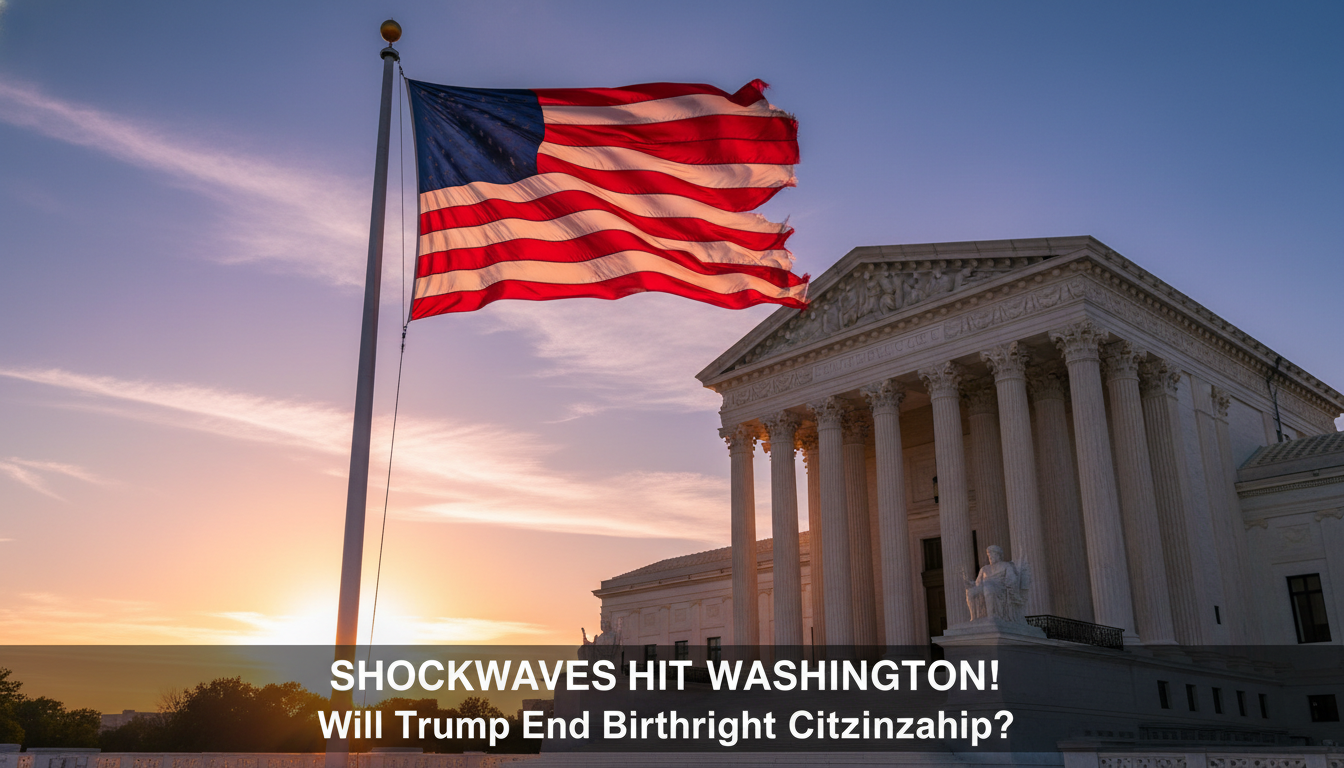
The Supreme Court Faces a Pivotal Moment
The Supreme Court faces a monumental decision. It will soon determine if presidential power can limit citizenship at birth. This controversial move by the Trump administration challenges a long-standing constitutional right. Many legal experts are watching closely. Indeed, this case could redefine American identity for generations.
The Heart of the Debate
The discussion about who is an American citizen has intensified. President Trump’s administration aims to alter foundational immigration principles. Consequently, this has sparked significant legal and public outcry. The outcome will affect countless individuals.
What is Birthright Citizenship?
Citizenship at birth means gaining citizenship simply by being born in a country. The United States broadly applies this principle. It ensures that almost anyone born on U.S. soil becomes a citizen. This long-held understanding stems from the 14th Amendment. Furthermore, it has been a cornerstone of American law for over a century.

Trump’s Executive Order
The Trump administration seeks to modify this interpretation of citizenship at birth. His executive order targets children born to undocumented immigrants. It also affects those born to temporary legal residents. Ultimately, the order intends to deny these individuals automatic citizenship. This policy marks a radical departure from established norms.
Legal Battle Ahead
This shift has triggered massive legal challenges. Lower courts have blocked the order repeatedly. They consistently ruled against the administration’s stance. Now, the Supreme Court must weigh in. Their decision will have profound national implications. Read more about the court’s agreement to hear the case on PBS News.
The 14th Amendment’s Role
The 14th Amendment’s Citizenship Clause is central. It states, “All persons born or naturalized in the United States, and subject to the jurisdiction thereof, are citizens.” Legal scholars widely agree on its broad meaning of citizenship at birth. However, the Trump administration argues for a narrower view. They claim specific groups are not “subject to the jurisdiction” of the U.S. This interpretation faces strong opposition. Learn more about the history of this vital amendment on Wikipedia.

Past Precedents and Future Impact
Historically, the Supreme Court affirmed broad citizenship at birth in United States v. Wong Kim Ark (1898). This landmark case set a clear precedent. Should the Court now side with Trump, this would overturn over a century of legal understanding. Such a change could create a new class of non-citizens. Furthermore, it might significantly impact future immigration policies. Stay informed on these developments through our Trump News Today coverage. This shift also contributes to a broader Culture War Shift in society.
Why This Matters to You
This case extends beyond legal textbooks. It impacts families directly. Denying citizenship at birth could create stateless children. This affects their access to education, healthcare, and basic rights. Moreover, it challenges a core tenet of American identity. The ruling will shape the nation’s future.
Conclusion
The Supreme Court’s decision on citizenship at birth looms large. It forces a national conversation about who belongs. The long-term consequences remain uncertain. Nevertheless, this ruling will undoubtedly reshape America’s legal and social fabric. Everyone should pay attention to this unfolding drama.
