
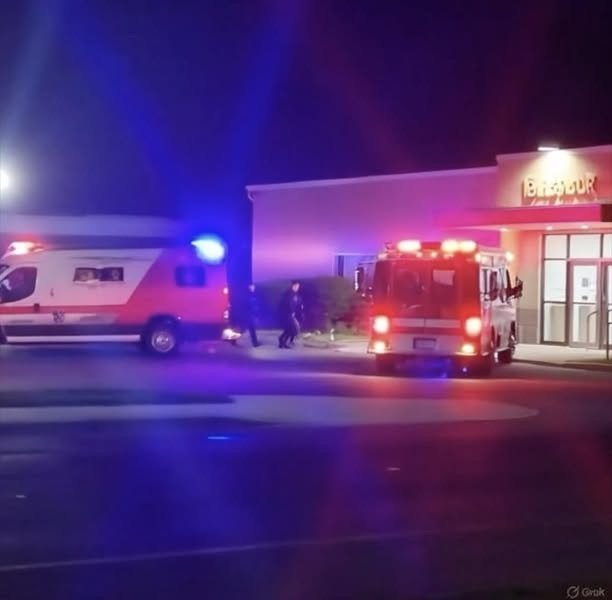
On the evening of October 1, 2017, thousands gathered at the Route 91 Harvest festival, a popular country music event held on the Las Vegas Strip. The atmosphere was vibrant—fans singing along, lights flashing, and artists performing under the desert sky. But at 10:05 p.m., the mood shifted instantly.
From the 32nd floor of the Mandalay Bay, gunman Stephen Paddock opened fire on the crowd below. What initially sounded like fireworks quickly revealed itself as automatic gunfire. Panic spread within seconds. Concertgoers dropped to the ground, scrambled for cover, or ran for their lives as bullets rained down indiscriminately.
The attack lasted approximately 10 minutes, though for those caught in it, it felt far longer. Survivors later described the horrifying confusion—people shielding strangers, friends searching for one another, and the deafening echo of gunfire bouncing off nearby buildings. First responders rushed into the danger, navigating a scene of mass casualties and fear.
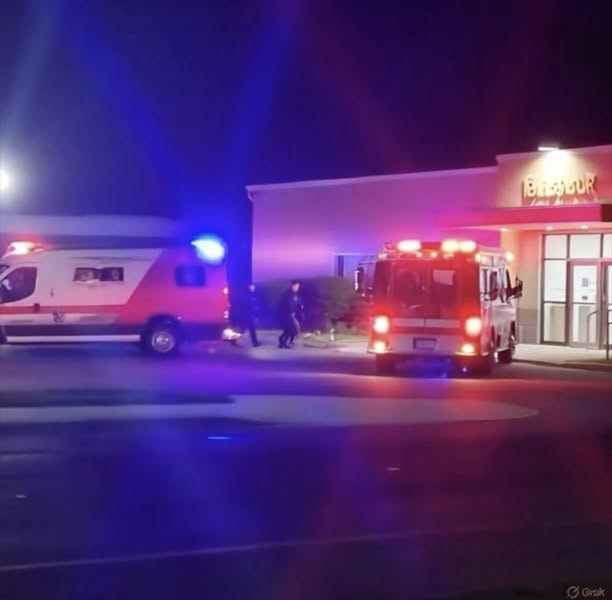
By the end of the night, 60 people had been killed, and over 800 were injured, making it the deadliest mass shooting in modern U.S. history. Hospitals across Las Vegas were overwhelmed but responded with urgency and coordination. Doctors, nurses, and volunteers worked tirelessly through the night, while citizens lined up to donate blood and offer help.
Authorities tracked the source of the gunfire to Paddock’s hotel room. When police breached the room, they found he had taken his own life. Inside, investigators discovered an arsenal of firearms, ammunition, and equipment carefully set up to maximize destruction.
In the days and weeks that followed, the nation struggled to comprehend the scale of the tragedy. Vigils were held across the country. In Las Vegas, thousands gathered to mourn, lighting candles and sharing stories of those lost. The city, known for entertainment and spectacle, became a symbol of grief—and resilience.
The aftermath also sparked renewed debates over gun laws, public safety, and how such an attack could occur without warning. Despite extensive investigations, many questions about Paddock’s motives remain unanswered, adding a chilling layer of uncertainty to an already devastating event.
Years later, the impact of that night continues to ripple through survivors, families, and the nation. Many who were there still carry physical and emotional scars. Yet, amid the tragedy, stories of heroism endure—strangers risking their lives to save others, medical teams working beyond exhaustion, and a community that refused to be defined solely by loss.
The Las Vegas shooting is not just a timeline of terror—it is a reminder of vulnerability, resilience, and the enduring need to understand and prevent such acts. Its legacy lives on, not only in memory, but in the ongoing conversation about safety, unity, and the value of every human life.
