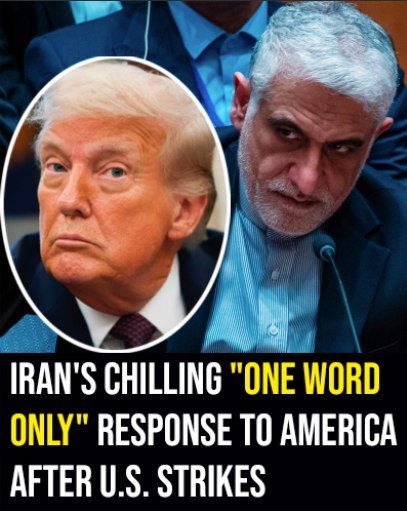
The world watched in stunned silence. Within hours of Ayatollah Khamenei’s killing, missiles were flying, capitals were on alert, and the United Nations turned into a diplomatic battlefield. Iran’s envoy openly warned the U.S. to “be polite.” Washington vowed “certain death.” Allies are splitting, red lines are blurring, and one miscalculation could trig… Continues…
In the wake of coordinated U.S.–Israeli strikes that killed Iran’s Supreme Leader, the crisis has shifted from skies lit by missiles to the stark lights of the UN Security Council chamber. Tehran insists it is fighting for survival and legitimacy, framing its missile barrages as self‑defence under Article 51. Washington counters that Iran’s decades of proxy warfare and repression make it the true aggressor, invoking a narrative of pre‑emptive protection against an “imminent” nuclear threat. Between these dueling stories stands a fraying international legal order, strained by claims of anticipatory self‑defence that many jurists view as dangerously elastic.
As António Guterres pleads for restraint, Russia condemns the assassination, and Europe scrambles for a ceasefire, the UN chamber mirrors a world split over who broke the rules first. What happens next — more strikes, back‑channel talks, or both at once — will decide whether this becomes a contained catastrophe or the opening chapter of a much larger war