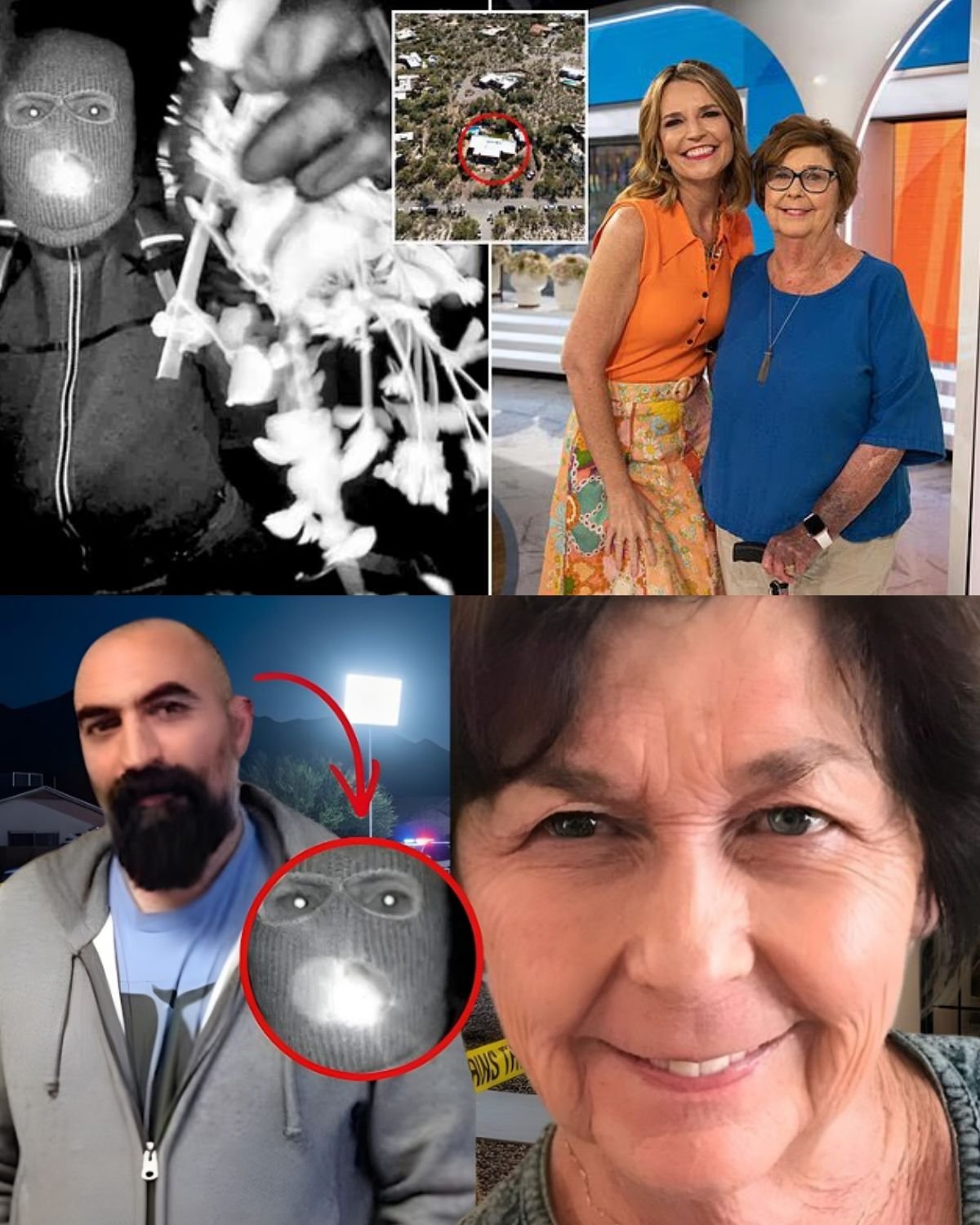
Nancy Guthrie vanished in the quietest hour of the night. Blood on the porch. A masked figure on a grainy screen. A church routine broken for the first time in years. The internet rushed in where answers were missing—building timelines, inventing confessions, naming villains. But one brutal fact keeps cutting through the noise: Nancy is still gon… Continues…
In Tucson’s Catalina Foothills, the disappearance of 84‑year‑old Nancy Guthrie has become a test of how we handle fear in the age of doorbell cameras and viral “investigations.” The known facts are chilling enough: authorities say she was likely abducted from her home, her blood was found on the porch, and a masked, armed figure was captured on surveillance approaching her door in the early hours of February 1, 2026. Federal and local investigators have released those images, combed backend systems with private partners, and publicly cleared Guthrie’s family members as suspects, emphasizing that they are victims in this case.
Around that careful, limited record, an entire parallel universe has formed online—cinematic transcripts, alleged confessions, buried devices, whispered audio from smart speakers. None of those claims are backed by documents or confirmed statements. They may be rumor, invention, or fragments twisted into a narrative that “feels” right. The danger is twofold: innocent people can be smeared, and real leads can be drowned out by noise. So the story sits in a painful place: a family waiting, a community rewatching their own footage, and a country forced to accept that sometimes the only honest position is uncertainty—holding space for fear and hope while investigators follow what the evidence, not the internet, can actually prove.