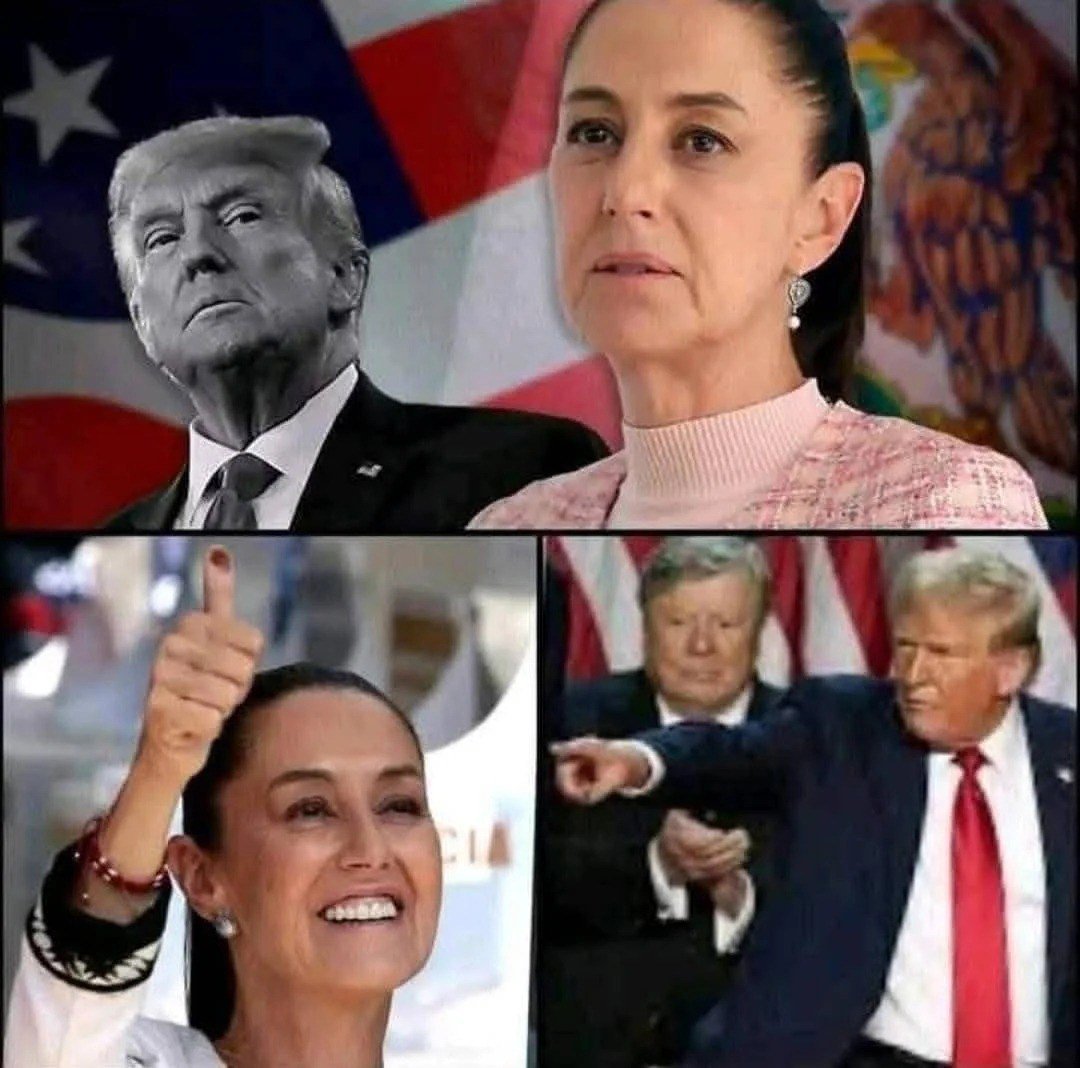
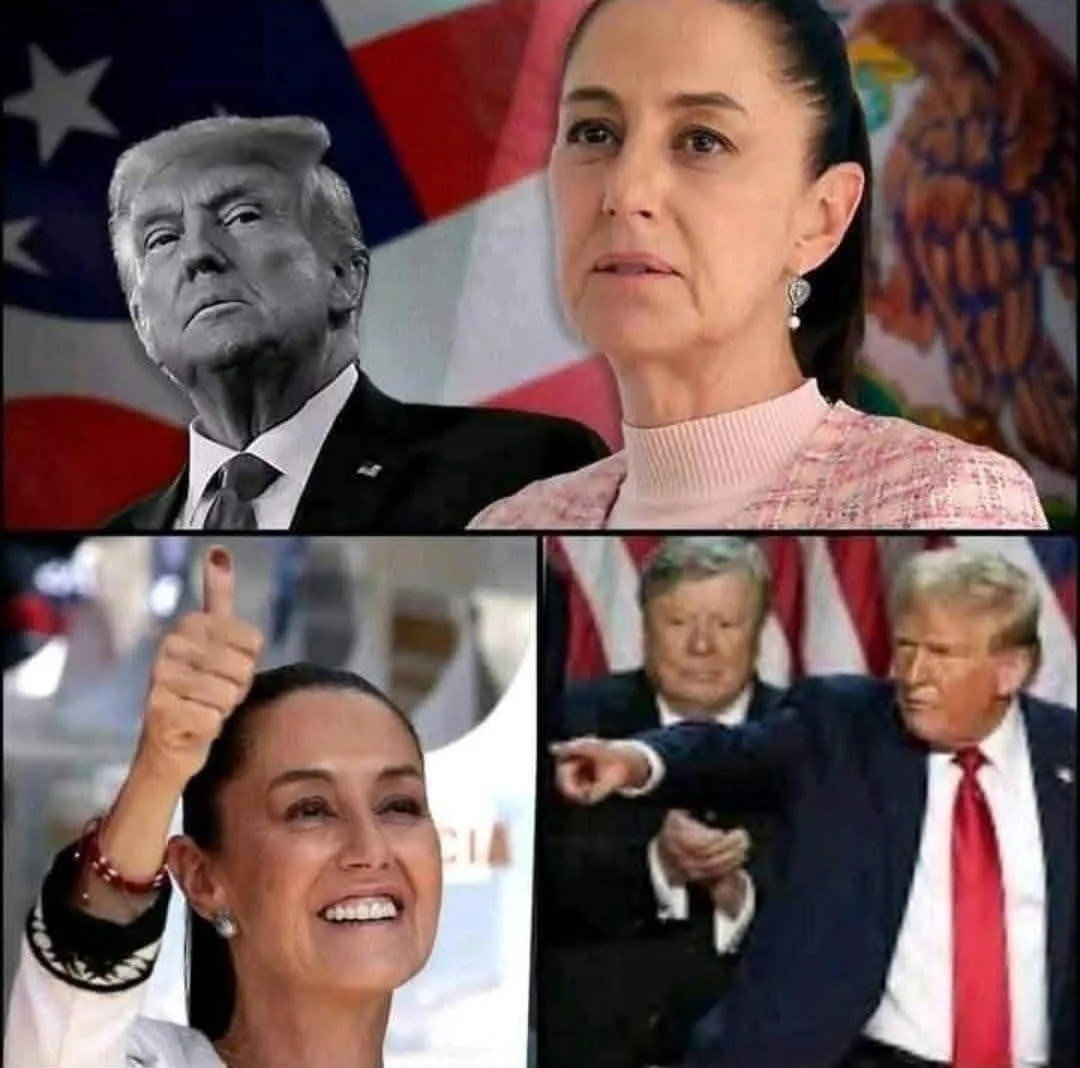
Mexico’s President Responds to U.S. Decision to Label Major Drug Cartels as Terrorist Organizations
Tensions between Mexico and the United States entered a new phase after the U.S. government moved to designate several powerful drug cartels as terrorist organizations, a decision that has sparked debate over security cooperation, sovereignty, and the future of cross-border anti-crime efforts.
Mexican President Claudia Sheinbaum publicly addressed the issue shortly after the announcement, stressing that while Mexico remains committed to working with the United States to combat organized crime, any cooperation must respect Mexico’s national sovereignty.
“We collaborate, we coordinate, but we do not accept intervention,” Sheinbaum said during a public briefing. Her remarks highlighted Mexico’s long-standing position that foreign military or law-enforcement actions on Mexican territory must occur only with the approval and participation of Mexican authorities.
The move by the administration of former U.S. President Donald Trump involves designating several large criminal organizations as terrorist groups under U.S. law. Among the cartels reportedly included are the powerful Sinaloa Cartel and the Jalisco New Generation Cartel, both of which have played major roles in international drug trafficking.
Under U.S. law, the terrorist designation provides authorities with additional tools to combat these organizations. These measures can include expanded financial sanctions, the ability to target networks that support the groups, and increased intelligence and law-enforcement cooperation between agencies.
Supporters of the decision argue that the cartels operate with the scale, organization, and violence similar to internationally recognized terrorist groups. They say the designation could help disrupt cartel finances and global supply chains.
However, critics warn that labeling criminal organizations as terrorists could complicate diplomatic relations and potentially raise legal questions about how the United States conducts operations against those groups.
President Claudia Sheinbaum made it clear that Mexico does not oppose cooperation with the United States in tackling cartel violence. In fact, both countries have worked together for years on intelligence sharing, law-enforcement training, and joint investigations targeting drug trafficking networks.
But Sheinbaum emphasized that Mexico cannot accept unilateral action by foreign forces inside its territory.
For decades, Mexican leaders from different political parties have maintained this position. The issue is particularly sensitive due to historical tensions over foreign intervention and the importance of protecting national sovereignty.
“We will always defend Mexico’s independence,” Sheinbaum stated, while also noting that security cooperation between the two countries remains essential to combat transnational crime.
The terrorist designation has fueled discussion among political analysts and security experts about whether the United States could consider stronger measures against cartel operations.
Some commentators have speculated that the designation could theoretically allow broader counter-terrorism strategies, including financial targeting, cyber operations, and intelligence-driven actions against cartel leadership.
However, experts widely agree that large-scale U.S. military operations inside Mexico remain extremely unlikely. Such actions would risk severe diplomatic consequences and would require cooperation from the Mexican government.
Instead, most analysts expect the designation to be used primarily for legal and financial enforcement actions, such as freezing assets, prosecuting individuals who support cartel operations, and strengthening cross-border investigations.
The debate also gained attention after comments by technology entrepreneur Elon Musk on social media. Musk suggested that terrorist designations could make cartel infrastructure eligible targets for advanced surveillance or drone operations.
While the remarks drew headlines, they did not represent official government policy. U.S. officials have not announced plans for drone strikes or military attacks on cartel targets within Mexico.
Nevertheless, technology—including drones, satellite imagery, and advanced intelligence systems—has increasingly become part of modern anti-crime strategies used by governments around the world.
Drug trafficking remains one of the most complex security challenges facing both Mexico and the United States. Powerful criminal organizations operate across international borders, generating billions of dollars from narcotics smuggling, human trafficking, and other illicit activities.
The opioid crisis, including the spread of fentanyl, has intensified pressure on governments to take stronger action against the networks responsible for producing and distributing these drugs.
Both countries have acknowledged that addressing the problem requires cooperation on multiple fronts, including law enforcement, financial regulation, border security, and public health initiatives.
Another issue tied to the cartel debate involves firearms trafficking. Mexican officials have repeatedly argued that many weapons used by criminal groups originate from the United States and are illegally smuggled across the border.
Mexico has previously pursued legal action against American gun manufacturers, claiming that negligent practices allow firearms to reach criminal organizations.
The discussion over cartel designations has revived these concerns, with Mexican officials warning that stronger legal responses could follow if the problem of cross-border weapons trafficking is not addressed.
The situation highlights the delicate balance both nations must maintain as they confront organized crime while preserving diplomatic stability.
While the United States is seeking stronger legal tools to dismantle cartel networks, Mexico continues to emphasize the importance of respecting sovereignty and strengthening bilateral cooperation rather than pursuing unilateral action.
Security experts say the outcome will likely depend on continued dialogue between the two governments and the development of coordinated strategies that address both the supply and demand sides of the drug trade.
For now, the designation of major cartels as terrorist organizations represents a significant shift in how the United States approaches transnational criminal groups. At the same time, Mexico’s response underscores the importance of maintaining mutual respect and diplomatic coordination in addressing shared security threats.
As both governments navigate this complex issue, the challenge remains the same: reducing the power of violent criminal networks while preserving the stability of one of the most important international relationships in the Western Hemisphere.