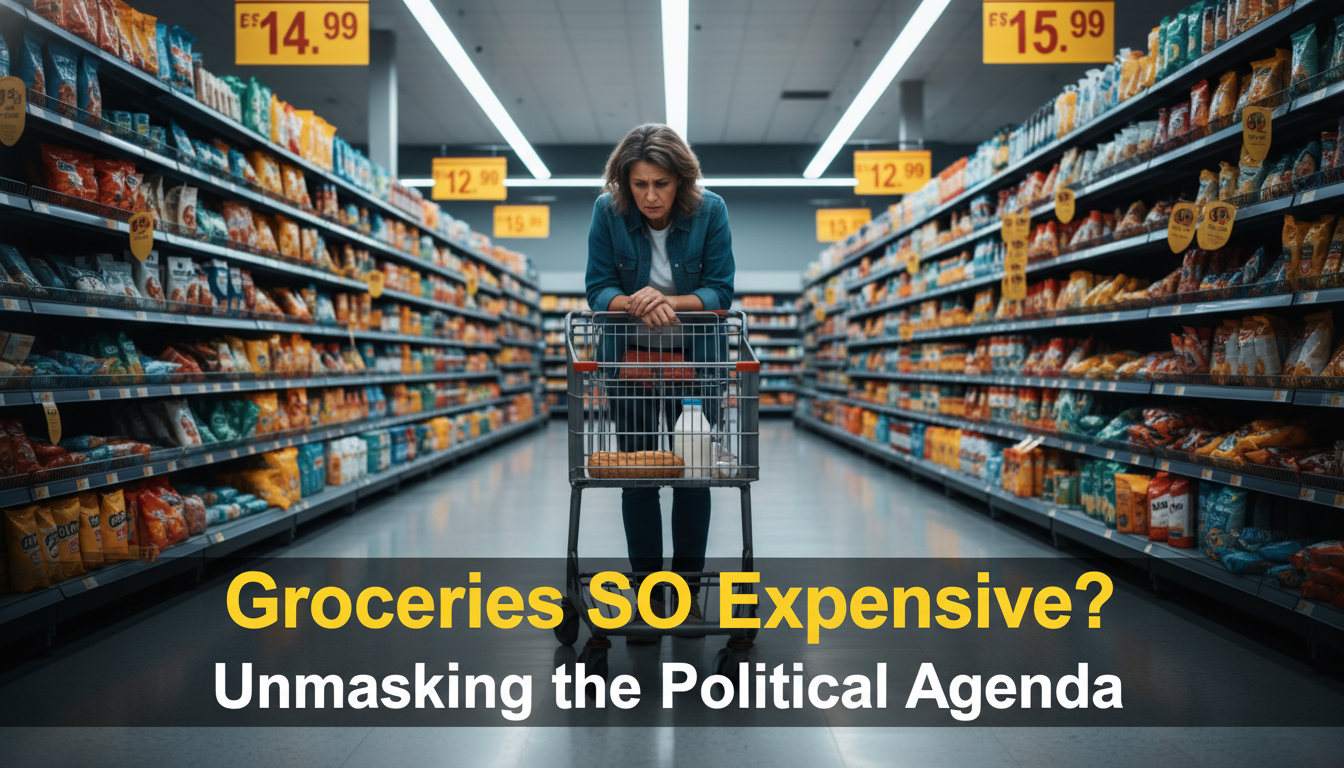
Grocery Price Politics: Why Your Cart Costs More
Grocery Price Politics is pushing your food budget to its limits. Many families struggle to afford basic necessities. Experts are now revealing a hidden political agenda. This agenda, they argue, directly impacts the prices you see at the supermarket checkout. Understanding these forces is crucial.
Food prices have indeed surged. Since 2020, grocery costs have jumped nearly 30%. Last month alone saw the biggest increase in three years. Consumers often feel this pinch deeply. Moreover, their perceptions of inflation can differ significantly from official figures.
Unpacking the Economic Impact
The current inflation crisis has many layers. Supply chain issues initially played a role. Labor costs also rose significantly during the pandemic. However, new reports suggest something more. Profit margins for some food retailers have expanded. This raises questions about whether pure corporate greed is at play.

Politicians often deflect blame. They point to global events or general economic trends. Yet, specific policies and decisions can have a direct impact. For example, certain agricultural subsidies or trade agreements might alter market dynamics. This often goes unnoticed by the average shopper.
The Hidden Political Hand
Many experts believe political actions significantly influence food prices. Government regulations, for instance, can increase operational costs for farmers and distributors. Furthermore, shifts in monetary policy directly affect the purchasing power of your dollar. These subtle changes can gradually inflate costs across the board.
Public perception of food inflation is also highly politicized. Consumer views on rising costs often align with their political ideology. After major elections, these perceptions can even reverse dramatically. This shows how deeply politics intertwines with our daily expenses.

Beyond the Headlines: Policy and Prices
Several policy choices contribute to this complex issue. Consider trade policies that restrict imports. Such actions can limit supply and consequently drive up prices. Similarly, domestic agricultural policies can favor certain producers. This sometimes creates monopolies or reduces competition. Subsequently, consumers face fewer choices and higher costs.
Even broader US News Today often features debates about economic stability. These discussions inevitably touch upon household budgets. Understanding the interplay between legislation and your shopping cart is empowering.
What Can Be Done About Grocery Price Politics?
Addressing this challenge requires transparency. Consumers need to know how political decisions impact their wallets. Advocacy groups are pushing for stricter oversight of corporate profits. They also demand more competitive markets. Ultimately, informed citizens can demand better accountability from their elected officials.

Staying educated on economic trends is vital. Articles discussing Political Dynasty Future often touch on long-term policy impacts. Supporting policies that foster fair competition and robust supply chains could lead to more stable prices. It is a shared responsibility.
Examining Corporate Influence
Major food corporations hold significant power. Their lobbying efforts can shape agricultural and trade policies. This influence can create advantages for large companies. Consequently, smaller businesses struggle to compete. This reduced competition can allow for higher prices without market pressure.
Consumer advocates continue to highlight these concerns. They argue for policies that prioritize consumer welfare over corporate profits. For instance, tighter antitrust enforcement could break up large monopolies. This might lead to more competitive pricing.
Looking Ahead: Navigating Expensive Groceries
The discussion around Grocery Price Politics is ongoing. As prices continue to fluctuate, public scrutiny will intensify. It is essential for consumers to remain vigilant. They should question the narratives presented by both politicians and corporations.
For further reading on economic factors affecting daily life, explore reputable sources like Wikipedia’s article on Inflation or analyses from Forbes Business section. Understanding the mechanisms behind these price increases is the first step towards advocating for change. Furthermore, awareness empowers collective action. Republican House Win Bolsters Party Majority, can bring new economic priorities to the forefront. Therefore, staying informed is key.