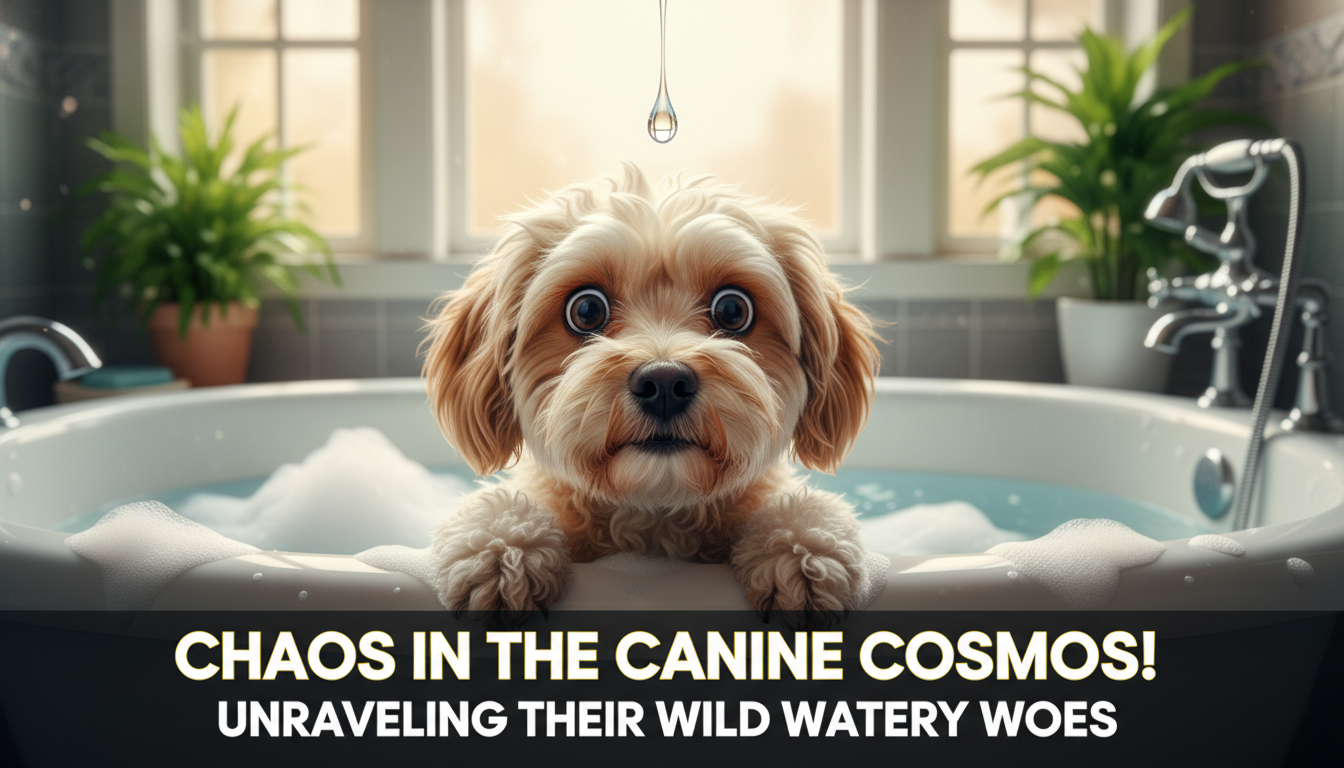
Pet bath drama is a common scene in many homes. Does your furry friend transform into an Olympic escape artist when water appears? Perhaps they become a protesting, soggy statue instead. These hilarious reactions are often more than just a dislike for getting wet. Understanding their dramatic antics can actually be quite amusing.
Why the Watery Woes Begin
Many pets find bath time a stressful experience. Firstly, the sound of running water can be alarming. It creates an unfamiliar noise, startling sensitive ears. Moreover, the unfamiliar sensation of being wet is often a shock. Their fur can feel heavy and uncomfortable. This sudden change can be quite unsettling for them. Consequently, they react with an immediate desire to escape.
The Surprise Attack of the Showerhead
The showerhead itself can be a major source of anxiety. Water spraying from an unexpected angle feels very strange. Furthermore, the noise it makes can be overwhelming. Some pets fear the feeling of being trapped. They dislike having limited options for escape. This feeling triggers their natural stress response.

The Great Escape Artist’s Tactics
Pets display remarkable ingenuity when avoiding a bath. Many will try to hide under furniture. Others become surprisingly heavy, resisting all attempts to lift them. Moreover, some attempt daring leaps from the tub. Their desperation to avoid the suds is truly a sight to behold. Therefore, be prepared for some acrobatic displays.
When Fur Becomes a Fortress
A wet coat can feel completely alien to a pet. Heavy, matted fur restricts movement. It also takes a long time to dry. Cats especially dislike feeling wet because it compromises their agility and can make them cold. Owners need patience during drying. You can find useful tips for managing pet care, including grooming, by checking out resources like the ASPCA website.
Understanding Their Unique Perspective
Pets often associate baths with negative past experiences. A single unpleasant incident can create lasting anxiety. This could be soap in their eyes or a slippery surface. Indeed, they connect certain stimuli to bad feelings. Their intuition is very strong. Therefore, our mood also affects their perception of bath time.

Some pets dislike baths, yet love swimming. This seems contradictory at first. However, swimming is voluntary. It gives them control over the situation. Baths, conversely, involve confinement and forced handling. This distinction makes all the difference.
Making Bath Time a Bit Better
Making bath time less dramatic is possible. Start by introducing water gradually. Use treats and praise for positive reinforcement. Consider a non-slip mat for the tub. Also, ensure water temperature is comfortable. Consulting an expert can provide further guidance. For instance, if your dog shows extreme distress, it might warrant a visit to a veterinarian, similar to scenarios discussed in our post on Dog Urgent Care: Essential Guide for Pet Owners.
You can also explore specific techniques tailored to different animals. For example, some cat owners find success with quick, shallow baths, while others opt for professional grooming. Understanding Resilient Cat: The Tiny Survivor Who Chose to Live highlights the adaptability of felines, which can be applied to bath training.

Empathy and Amusement are Key
Ultimately, your pet’s dramatic bath time antics are often a mix of fear and unfamiliarity. They are not intentionally being difficult. Approaching the situation with empathy helps greatly. Furthermore, maintaining a sense of humor makes it easier for everyone. Remember, a clean pet is a happy pet, eventually! Learn more about animal behavior and senses on Wikipedia.