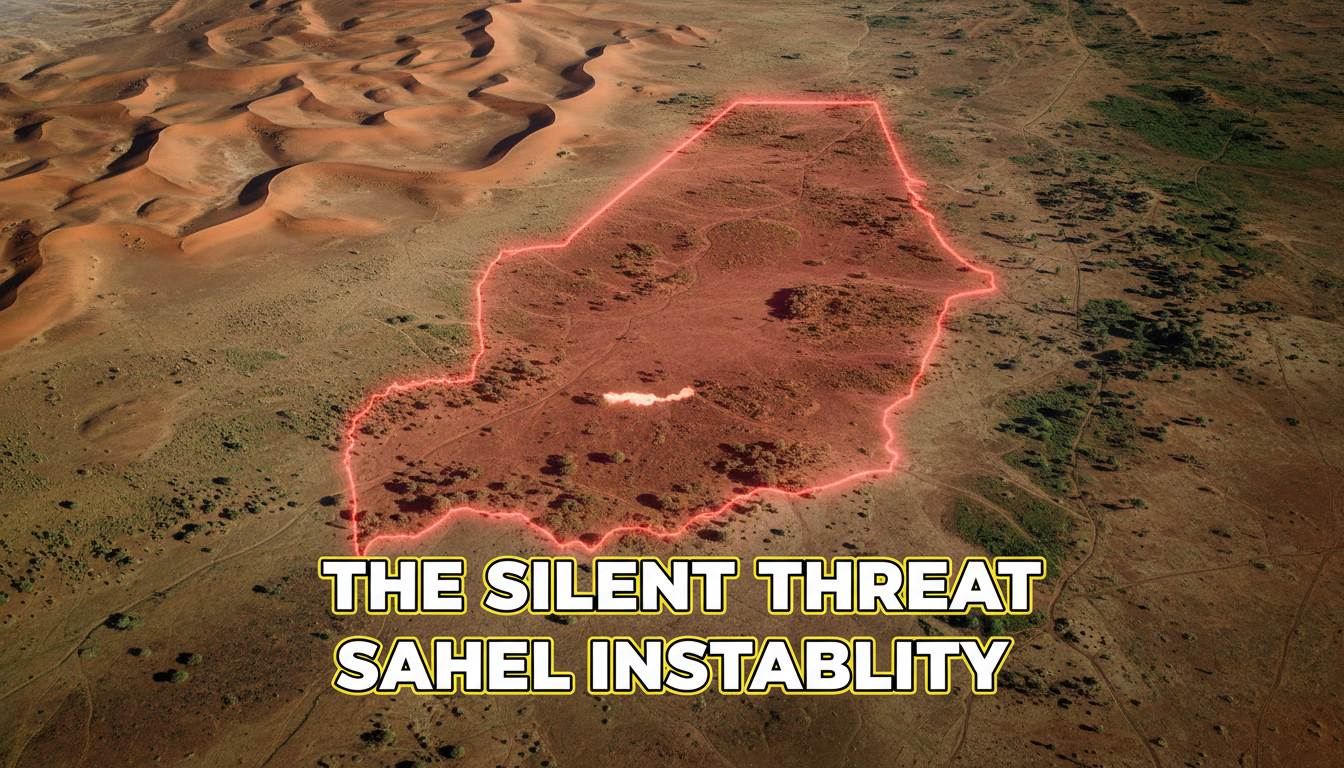
Sahel Instability: New Geopolitical Hotspot Threatens Markets
The world often focuses on visible conflicts, yet Sahel instability presents a silent, escalating crisis. This overlooked region in Africa faces deepening challenges. Importantly, these issues quietly threaten global markets. Consequently, we must understand its complex dangers now.
Ukraine dominates headlines, but the Sahel’s worsening situation deserves urgent attention. Military coups, extremist violence, and humanitarian crises plague the area. Furthermore, these problems directly impact international security and economic stability. Therefore, ignoring the Sahel is no longer an option.
What is Sahel Instability?
The Sahel is a vast semi-arid belt across Africa, south of the Sahara Desert. Countries like Mali, Niger, and Burkina Faso lie within this crucial zone. Unfortunately, political upheaval has become commonplace here. For example, several military takeovers have occurred recently. These events destabilize governments and institutions across the region.

A Region Under Siege
Terrorist groups exploit weak governance in the Sahel. They expand their influence, leading to increased violence against civilians. This creates a cycle of insecurity. Moreover, the humanitarian situation is dire. Millions face food insecurity and displacement. The region is now the world’s most affected by jihadist violence.
Why the World Overlooks It
Major global conflicts often overshadow crises in other regions. The war in Ukraine and tensions in the Middle East grab significant media attention. This leaves less room for the complex, long-running issues in the Sahel. Consequently, public awareness remains low. Yet, the challenges there continue to worsen dramatically.
Beyond the Headlines
Silence regarding Sahel instability does not mean stability. In reality, the crises are intensifying. Jihadist expansion accelerates, threatening neighboring coastal states. Moreover, food insecurity is increasing rapidly. An estimated 52.7 million people could experience acute hunger in West Africa by mid-2025. This hidden crisis demands greater visibility.

Global Market Threats from the Sahel
The Sahel’s problems extend far beyond its borders. Resource extraction is a key factor. External actors and armed groups compete for natural resources like gold. This competition fuels further instability. Major powers are also increasingly involved in the region. Russia, for instance, has expanded its influence following French withdrawals. This shift can impact global resource flows and political alliances.
Resource Scramble and Trade Routes
The region holds significant mineral wealth. Disruptions to extraction or transport can affect commodity markets worldwide. Furthermore, increased insecurity threatens critical trade routes across the continent. This drives up costs and creates supply chain vulnerabilities. Businesses operating in emerging markets must consider these rising risks.
Migration and Humanitarian Crisis
Escalating conflicts and climate change trigger massive displacement. Millions seek safety, often migrating across borders. This creates humanitarian challenges for host nations. Moreover, it can strain international relations and resource allocation. The broader implications for global stability are significant. International financial institutions like the IMF monitor these emerging market risks closely.

A Call for Urgent Attention
Addressing Sahel instability requires a comprehensive approach. It must go beyond military intervention. Focus on governance, economic development, and humanitarian aid. International cooperation is essential for lasting peace. We must not wait until this silent hotspot erupts into a full-blown global crisis. Proactive engagement can prevent further suffering and protect global markets.